
At Rx Direct, we often speak to patients who base their understanding of their health entirely on their Body Mass Index, or BMI. It is a term used widely in healthcare, but while it can be a helpful indicator, it is not a complete picture of someone’s health. Many people find themselves worrying about a single number, without understanding the factors that make BMI both useful and limited.
This article explores the real meaning of BMI and obesity, why it should not be the only measure of health, and how a private, personalised approach offers a more accurate and supportive way to manage weight.
What BMI Actually Measures
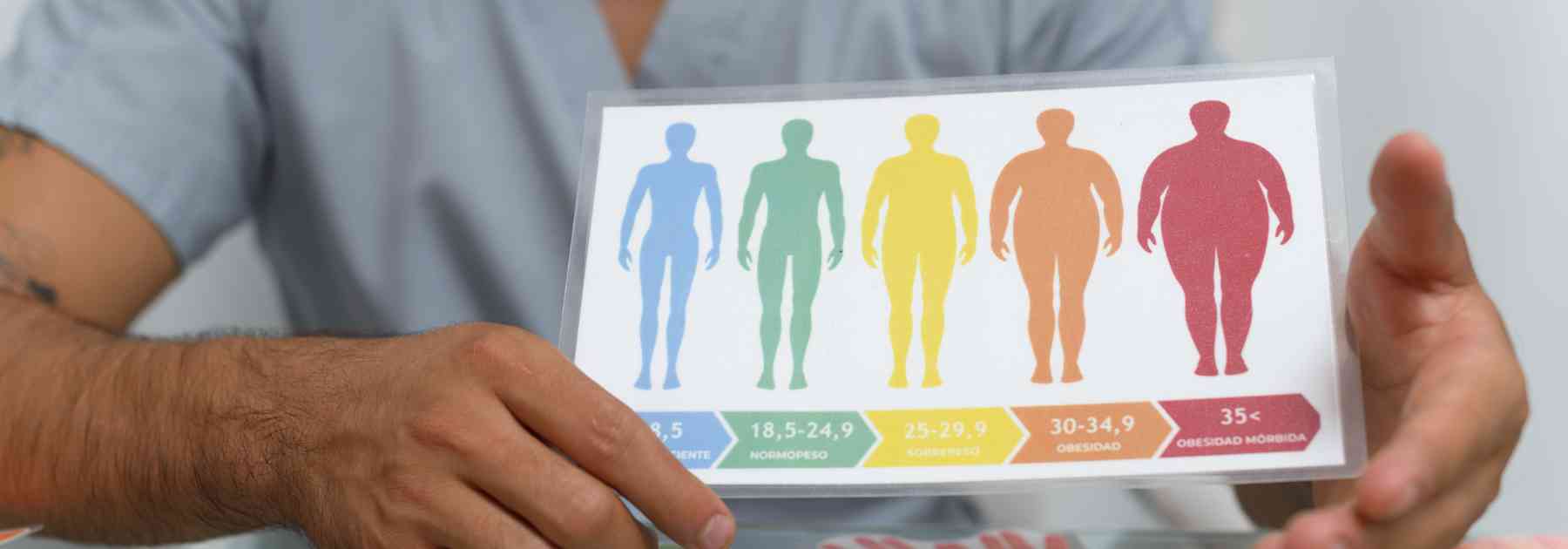
BMI is a simple calculation that uses height and weight to categorise individuals into ranges such as underweight, healthy weight, overweight, or obese. It is calculated by dividing weight in kilograms by height in metres squared.
The categories typically used are:
- Under 18.5: Underweight
- 18.5 to 24.9: Healthy weight
- 25 to 29.9: Overweight
- 30 and above: Obese
These ranges are easy to understand and can help identify when weight might pose a risk to health. However, BMI does not take into account key differences between individuals such as muscle mass, fat distribution, or body composition. Two people with the same BMI can have completely different levels of health and fitness.
The Limitations of BMI
BMI is a useful screening tool, but it was never intended to be the sole indicator of health. It does not distinguish between lean muscle and body fat, which means that some people with a higher BMI may actually have a healthy body composition.
Common limitations include:
- It does not account for muscle mass. A muscular person may appear overweight or obese by BMI standards.
- It ignores fat distribution. Visceral fat around the organs carries more health risk than fat stored elsewhere, but BMI cannot measure this.
- It does not consider age, gender, or ethnicity, all of which can affect healthy weight ranges.
- It overlooks other important health indicators such as blood pressure, cholesterol, and glucose levels.
This is why healthcare professionals use BMI as a starting point, rather than a definitive diagnosis.
Understanding the Relationship Between BMI and Obesity
Obesity is a complex condition that involves more than excess body weight. It can be influenced by genetics, hormones, lifestyle, and even medication. While a BMI above 30 often indicates obesity, it does not explain why a person’s weight has increased or how it affects their overall health.
Obesity is associated with a higher risk of conditions such as type 2 diabetes, heart disease, and joint problems. However, these risks vary widely depending on each individual’s metabolic health, diet, physical activity, and genetics. That is why professional assessment and tailored advice are essential for safe and effective management.
At Rx Direct, we help patients understand the root causes of their weight concerns rather than focusing solely on BMI. This approach allows for more meaningful progress and sustainable health improvements.
Why Private Clinics Take a Personalised Approach
When you seek help through a private online weight loss clinic like Rx Direct, your care goes far beyond a single number. Our consultations look at the full picture of your health, including:
- Medical history and current conditions
- Medication use and potential side effects
- Eating patterns and lifestyle habits
- Hormonal and metabolic factors
- Emotional and psychological influences on weight
This information helps us determine whether treatments such as Wegovy or Mounjaro are suitable, safe, and likely to be effective. Each patient receives an individualised plan that combines medical treatment with nutrition and behavioural guidance.

When BMI Can Still Be Helpful
Although BMI has limitations, it remains a practical and accessible tool when interpreted correctly. For example:
- It helps identify trends over time rather than focusing on one result.
- It can highlight when weight is starting to impact health, prompting early intervention.
- It supports healthcare professionals in setting safe and realistic weight loss targets.
The key is using BMI as one piece of a larger health picture rather than as a standalone measure. Combining it with blood tests, waist measurements, and lifestyle assessments gives a more accurate understanding of overall wellbeing.
Building a Healthier Relationship with Your BMI
A private weight loss consultation can help you interpret your BMI in context and develop a safe plan tailored to your needs. Rather than chasing an ideal number, the goal is to improve health markers, energy levels, and confidence.
At Rx Direct, we provide online access to weight loss support, allowing you to receive expert medical guidance and treatment without the need for in-person appointments. Our team of pharmacists and prescribers ensures that every plan is safe, effective, and individually designed.
We believe weight management should be empowering, not discouraging. Your BMI can be a useful starting point, but it does not define your health, your progress, or your potential for change.
Take the Next Step
If you are ready to take control of your weight and want a professional assessment beyond the BMI scale, reach out to us or schedule an appointment online. Our experienced team at Rx Direct can help you understand your results, explore medical treatment options, and create a plan that works for your body and lifestyle.

This blog was written on behalf of RX Direct by Pharmacy Mentor.